news papers code cv contact
Jacob R. Winnikoff, PhD
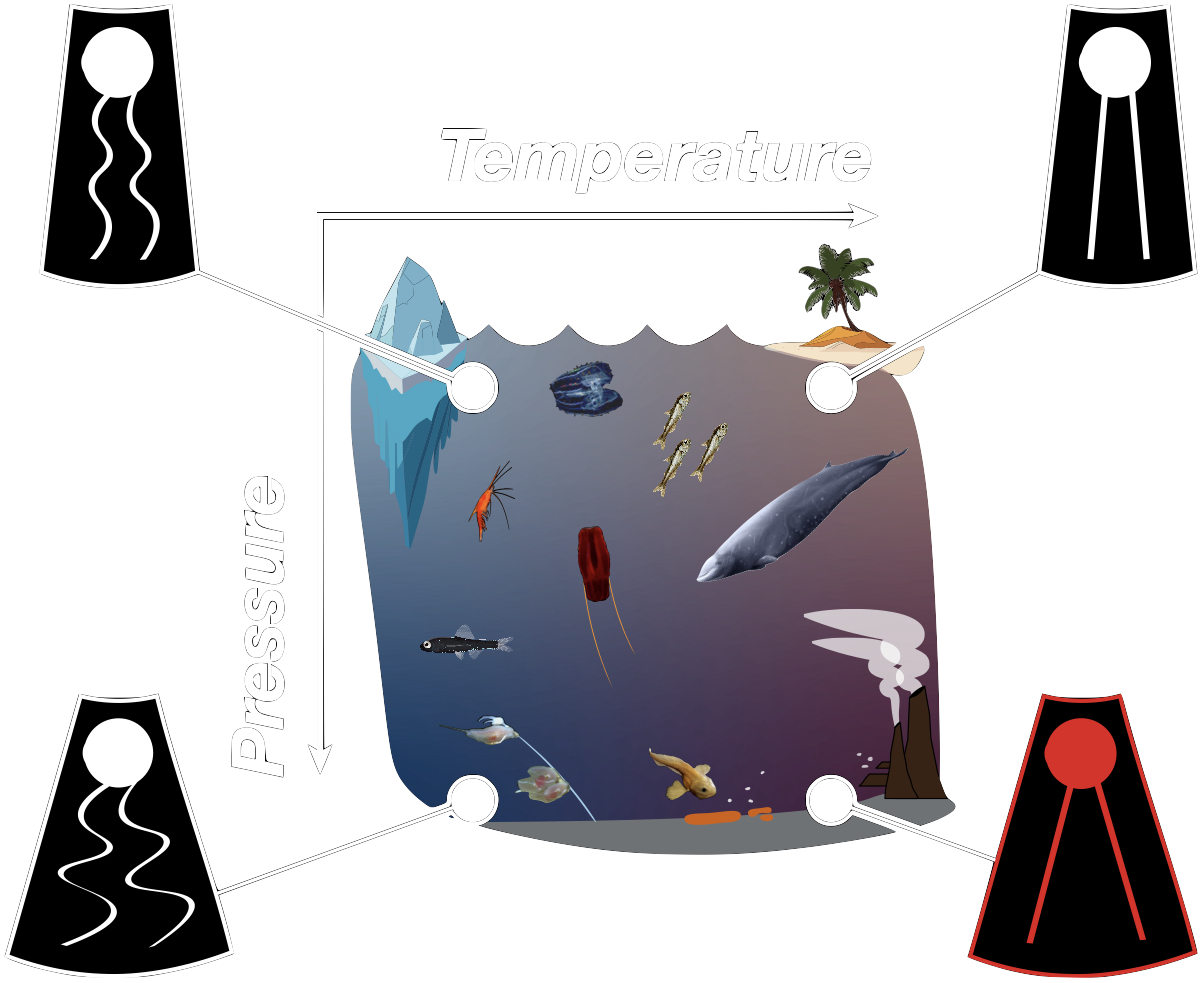
Life finds a way across a vast range of physical conditions, from the subseafloor to the stratosphere and from subzero ice to superheated hydrothermal vents.
We humans inhabit a tiny patch of the livable pressure-temperature space. How does the rest of life work?
Hello and welcome! I study the fundamental effects of pressure and temperature on marine organisms, cells, and molecules. I am a postdoctoral scholar in the Girguis Lab at Harvard University and was a NASA Postdoctoral Program fellow from 2022-24.
news!
November 29 2025: Asgard Ahoy!
This fall I am back on the water as part of an interdisciplinary team working on a profound biological mystery: how did eukaryotic cells like yours and mine arise from a merger between bacteria and Asgard archaea? Almost as mysteriously: why are we sampling a bunch of mud and seawater off the coast of Uruguay? Check out…
This video and other cruise media were shot, animated, and produced by Mónika Naranjo-Shepherd. I appear briefly as narrator/gesticulator.
My part in all this has to do with biomembranes, since membranous compartments in the cell are a key feature of eukaryotes. Membranes in archaea are also built differently than in other organisms, and I’m curious whether both kinds of membranes adapt in similar ways to a microbe’s environment.
When ROV SuBastian is diving, you can join us in Mission Control! Subscribe on YouTube or follow on Twitch to talk with fellow viewers and the pilots and scientists on duty.
September 17 2025: Review paper out on membrane homeostasis
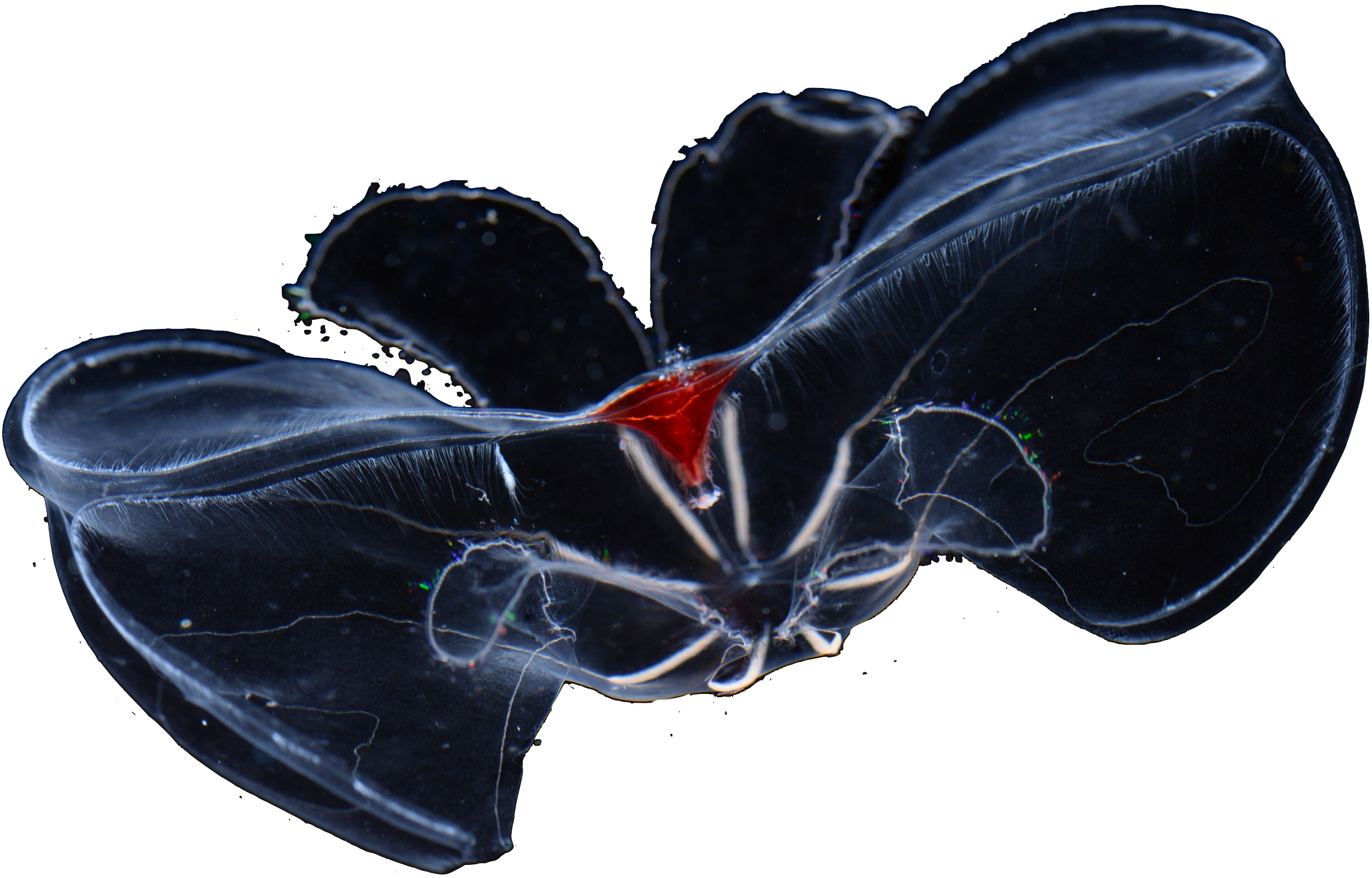
One of the most frequently asked questions about my work on comb jellies (AKA ctenophores) is whether the adaptation we discovered, which we call homeocurvature, is also found in other kinds of organisms. Together with Itay Budin, I wrote a paper that addresses this question using published lipidomics data and discusses the interplay between pressure- and temperature-adaptation in cell membranes. If you’re interested in the connection between cell biology, extreme environments, and climate resilience, please check it out! (Open Access)
June 14 2025: Congratulations 60930 Winning Wizards!
Over the past several months, I had the privilege of working with the Winning Wizards, a FIRST Lego League team from the Chicago area.
The team reached out last October with a concept for Liptactic Foam, a deep-sea buoyancy material combining the properties of industry-standard syntactic foam with the pliancy of lipid droplets.* The Wizards’ impressive R+D work on Liptactic Foam earned them a ticket to the international FLL tournament in Worcester MA, just down the road…
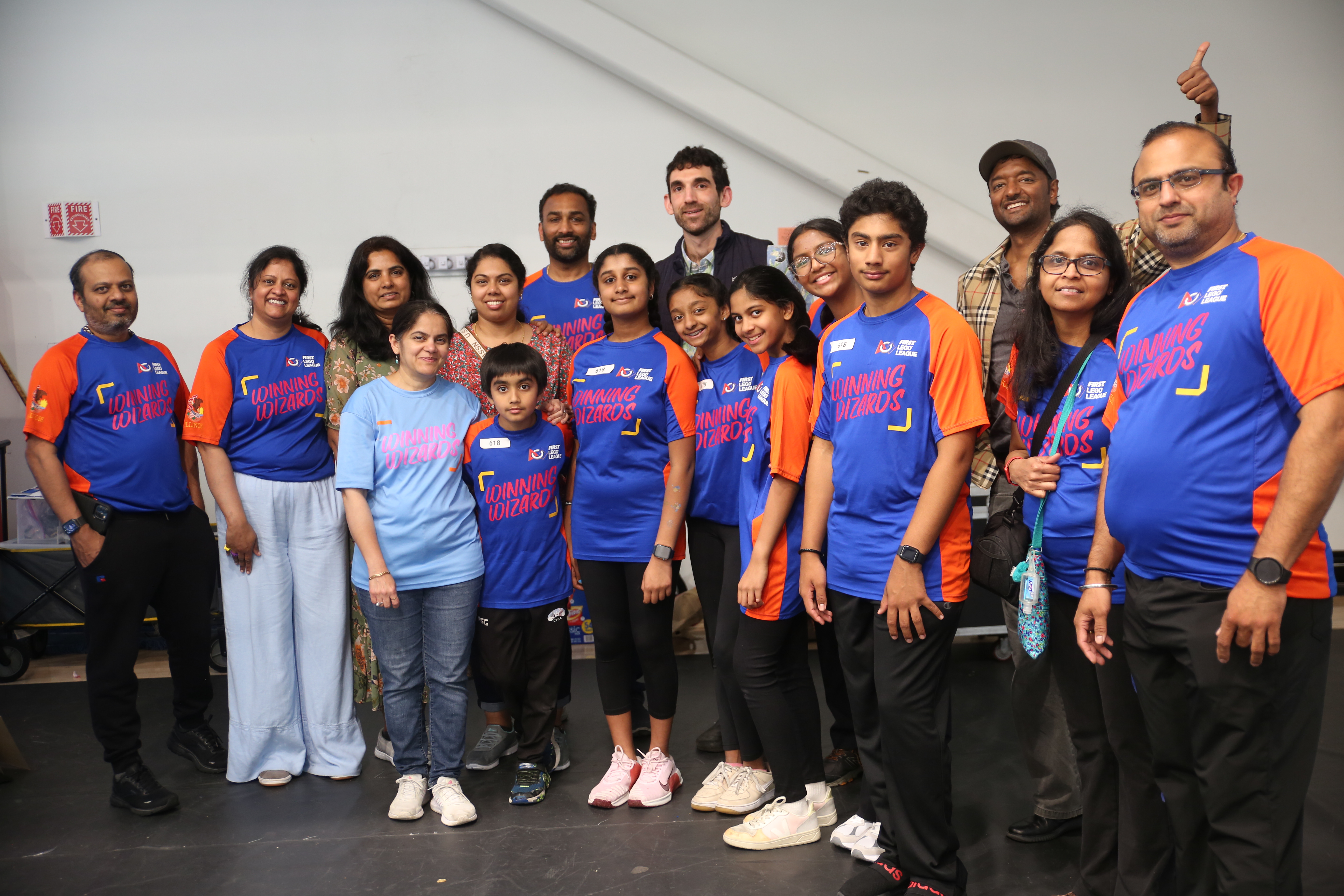

…where, out of 108 teams from 28 countries, they brought home first prize for their Liptactic Foam innovation project!
![WW bring home the gold[en waffles]!](assets/images/WW_waffles.jpg "WW bring home the gold[en waffles]!")

Not content to rest on these laurels, the team visited the lab the next day and tested their prototypes to a simulated depth of 4000 meters. Kudos, Winning Wizards, and keep innovating!
*Some deep-sea fishes use oil droplets for buoyancy.
January 14 2025: Grease Under Pressure – The Movie
Thanks to MBARI’s excellent SciComm Team, a charismatic collection of comb jellies and some preciously personified phospholipids, you can get the gist of the below paper in a little over four minutes!
June 27 2024: New paper out on deep-sea pressure adaptation!
Stymied by the Science paywall? Just request my personal copy of the article and SI.
No registration of any kind is required. The team and I appreciate your interest and look forward to hearing any of your thoughts or questions!

The study also enjoys some great freely available press coverage, thanks to Elizabeth Anne Brown with SciAm, Sean Cummings at the AAAS, and Yasemin Saplakoglu with Quanta Magazine:
Scientific American: How Delicate Comb Jellies Withstand Crushing Depths
News from Science: How jellyfish* survive pressures that would crush you
Quanta: The Cellular Secret to Resisting the Pressure of the Deep Sea
*Let’s not forget that there’s no such thing as a jellyfish. Journalists frequently don’t compose their own headlines.
cv
You can download my Curriculum Vitae here.
contact me
© 2026 Jacob Winnikoff – All rights reserved.